
Power Q & A with Niloufar-Lily Soltani
Zulaikha is the gripping and gorgeous debut novel by Iranian-Canadian author Niloufar-Lily Soltani (published by Inanna Publications). The novel takes place over a forty-year period of war and upheaval in the Middle East—specifically, in Zulaikha's home territory of Khuzestan, which boasts the bulk of Iran's oil reserves. We’re delighted to have Lily with us for this Power Q & A to talk about the inspiration for this book and her world-building through language.
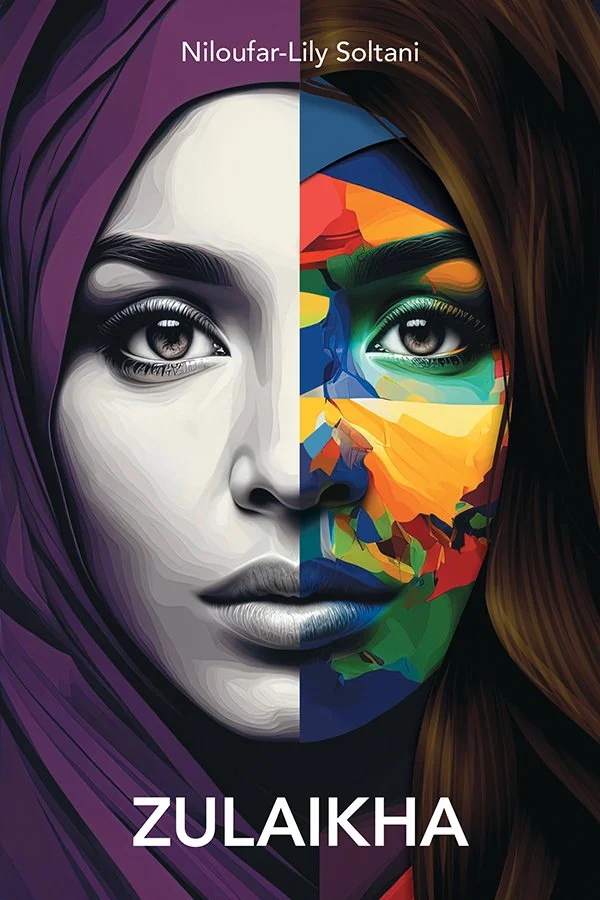
Grab Zulaikha from Inanna Publications.
Q: One of the aspects of your book we loved the most is how you immerse the reader in a world that is likely vastly different than the world many English-language readers are familiar with, and while making the story absorbing, you don't pander to these readers. The protagonist's name, Zulaikha, is a good example of this balance: it's not a name that's easy to pronounce for native English speakers—but you do provide a pronunciation guide. Did you consider this approach to be a risky one?
A: I have prepared for this question regarding Zulaikha's name since the beginning. "Zulaikha," pronounced as "Zuli-Ka," (approximately: the “kh” sound in Farsi is often difficult for English language speakers) is the title for my debut novel, a modern story characterized by its complexity, covering vast periods with numerous characters. A debut novelist should be extra careful about the risk-taking approach, which is why I gave this a lot of thought.
According to the textbooks, the title must be attention-grabbing, memorable, informative, and easy to say. Did my chosen title or my protagonist's name represent all these qualities? Certainly not at first glance.
The inspiration for "Zulaikha" came from my cousin. Certain aspects of her life, mainly Abadan, the place she was from, lingered in my mind for many years. Choosing any other name would have left me with a lingering sense of guilt. But I kept an open mind.
I began writing my first draft, not changing her name, but I picked most other characters' names, like Kia, Assef, and Abdul, as easy to pronounce as possible, in anticipation that an editor would ask me to change Zulaikha's name at one point. My first mentor was Karen Connelly at Humber Creative, whose editorial notes showed she was knowledgeable about the mythical figure. Neither did my publisher when they sent me their acceptance letter or later. I could be wrong then; people might be familiar with the historical figure, Zulaikha.
But no, there is no documentary, no movies, and very few mentions of this mythical figure in the popular media.
Comparatively, Cleopatra, another historical figure of the exact origin, enjoys widespread popularity in the West. Several debates surrounding how she looked like, Hollywood movies, classics, modern adaptations, and documentaries. This triggered me to introduce Zulaikha to Western audiences. Her sensational and provocative nature, along with the mysterious and fascinating love story with Joseph, deserves some attention. Jami's book of poetry, "Yusuf and Zulaikha," offers further insight, and I encourage additional research into the literary materials available.
There are several other difficult names in my novel, the names of the places, like Khuzestan province, Bakhtiari or Chaharlangi ethnicities. These difficult names are a part of our history, shaping the most important parts of the novel's setting and themes. Even in Iran, the name Zulaikha is rarely used in recent years. Like endangered species, our historical names and their cultural significance deserve our attempt to survive them.
Finally, in my risk-taking approach I chose to trust the readers, their open mind, or their eagerness to research would prove that if given a chance, Zulaikha, both in the historical/ mythical context and, hopefully, in my novel, is attention-grabbing, memorable, and informative.
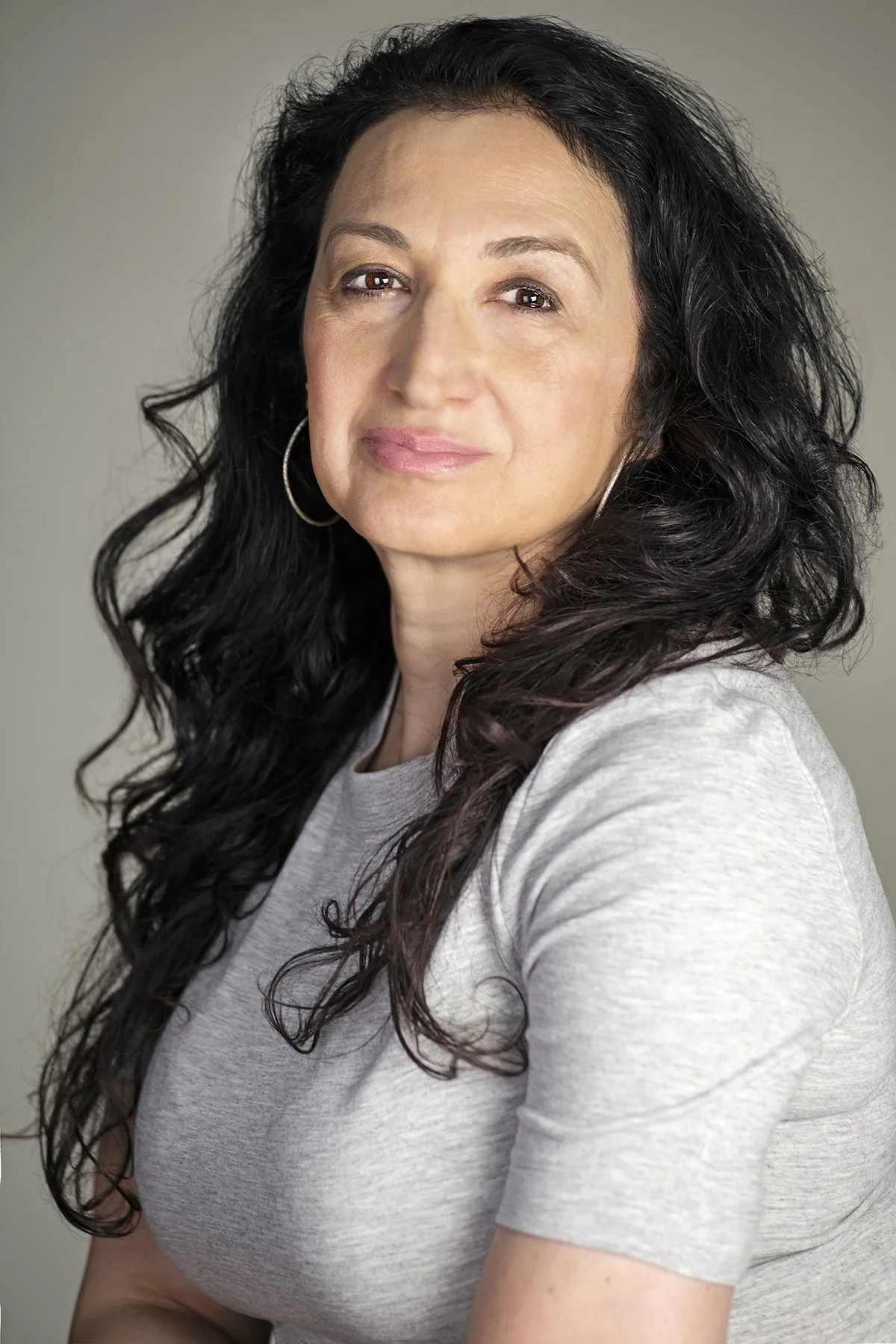
Author Niloufar-Lily Soltani.
More about Zulaikha:
In the winter of 2007, returning home from visiting her son in Amsterdam, Zulaikha accidentally runs into Kia, a family friend she hasn't seen for many years. Kia's father has passed away and he is flying home to attend his funeral. In a shocking twist, Zulaikha suspects that Kia may have had information about Zulaikha's missing brother, Hessam, who disappeared shortly following the murder of their mutual friend, Abbass, during the Iran–Iraq War. When the flight is suddenly cancelled, Zulaikha is taken into custody and questioned about her relationship with Kia by the European airport security. A day later, in Tehran, the Iranian authorities have their own agenda for intimidating her. A tense thriller explores the impacts of war and oppression through a sprawling, tender, imperfect love story, scored with the notes of the Arabic and Persian music and poetry that grace so many Middle Eastern lives.
More about Niloufar-Lily Soltani:
Niloufar-Lily Soltani is a fiction writer, poet and translator based in Vancouver. She is a graduate of the Humber College creative writing program. Zulaikha is her debut novel.