

BLOG
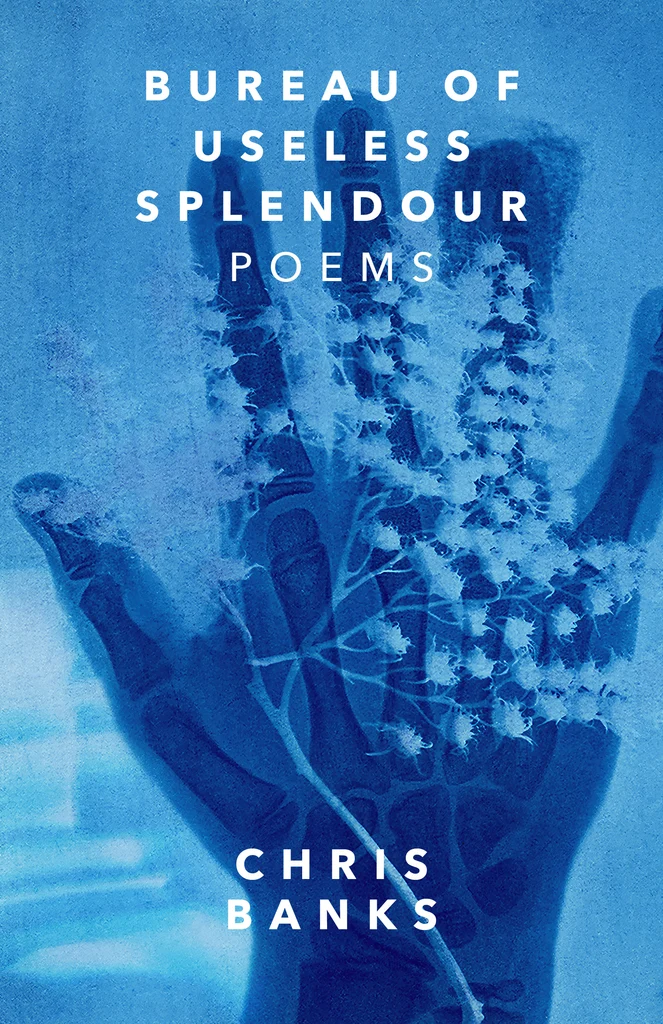
REVIEW: Bureau of Useless Splendour by Chris Banks
Chris Banks, Bureau of Useless Splendour, is based on the Centre for Useless Splendour, a part of the Post-Graduate Research Hub, an online collaborative research space. Banks himself describes the poems in the book as “a repository for both high and low culture. The Hub describes itself as, “a set of relationships and dialogues between creative and intellectual enquiries organised as imaginary rooms.” (danhayes.org).

A Quantum Entanglement of Genres: Steven Mayoff Reviews I Think We've Been Here Before by Suzy Krause
There is a school of thought that says we should live every day like it is our last. The impracticality of doing that should be obvious enough, although the spirit of that ideal carries a certain allure. Suzy Krause manages to capture something of both the impracticality and the allure, not to mention the sheer nightmarish absurdity of the world’s impending doom in her novel I Think We’ve Been Here Before (Radiant Press, 2024). Love, both romantic and familial, are put through the wringer in this story of human foibles juxtaposed against global doom. It is a kind of sci-fi tragi-rom-com, if you will.

Alchemizing the Mundane: Steven Mayoff Reviews Yellow Barks Spider by Harman Burns
The main narrative thrust of Yellow Barks Spider (Radiant Press, 2024), the debut coming-of-age novella by Saskatchewan-born trans-woman, filmmaker, sound artist and writer Harman Burns, is a rural boy’s journey toward transitioning to a woman. But to describe the experience of reading it in terms of coining a genre, I’d have to call it a Prairie Gothic Phantasia.

Review of Voice: Adam Pottle on Writing with Deafness
The first time I heard the term “voice” in relation to a book was in high school. The definition remained fuzzy, far harder to pinpoint than theme, setting, point of view, and characterization. A writer’s voice seemed somehow part of her style, but I didn’t really know what that meant, either.
Mostly, an author’s voice seemed extremely important: Voice helps distinguish one writer’s work from another and makes a writer unique.
Okay. But what is it?