
Power Q & A with Sheila Stewart
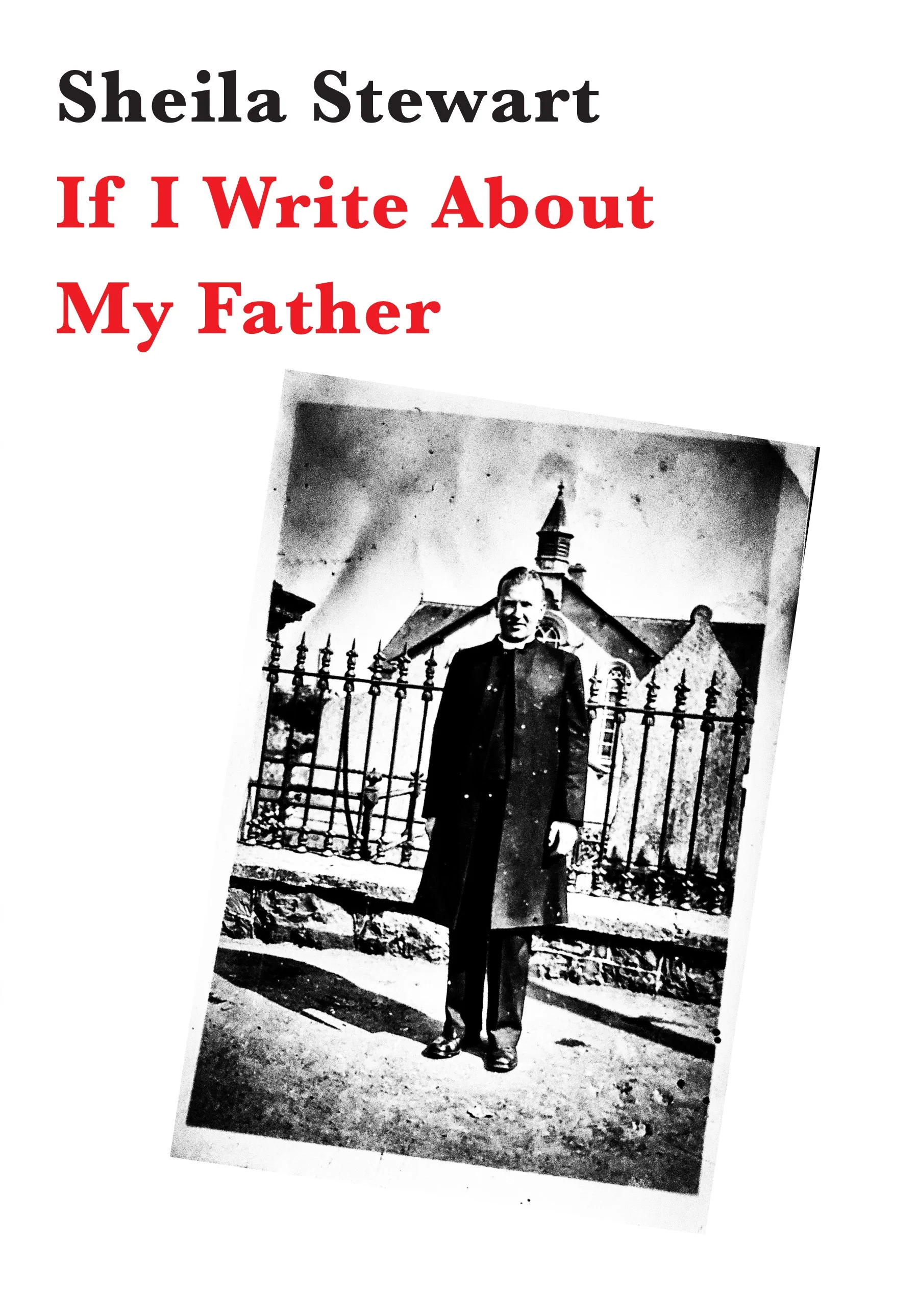
Sheila Stewart’s stunning poetry collection, If I Write About My Father, (Ekstasis Editions, 2024) dismantles the patriarchal religious ideologies of Sheila’s upbringing by a protestant minister, while sustaining the emotional intimacy experienced in familial relationships.
Sheila explores the daughter-father relationship, uncovering the complexities of growing up as the minister’s only daughter in a family shaped by church and manse in small-town southern Ontario. She braids narrative and lyric, the textures of liturgy and memory. While critiquing patriarchal weight and constraint, the work explores how a particular religious upbringing shapes thinking, the rhythms of language, and the fabric of consciousness.
Sheila joins us for this Power Q & A to talk about why she decided to tackle the church and her relationship with her father with these powerful poems.
Q: Why did you focus this collection on your relationship with your father and the church?
A: It wasn’t so much a deliberate choice to write about my father and the church, as something I was compelled to do. I was writing a dissertation at the Ontario Institute for Studies of Education/University of Toronto (OISE/UT) and wrestling with my own authority as a writer. While I’ve always been drawn to ideas and learning, tackling a PhD at age 48, was intimidating. I was aware of the hierarchies and power structures of the University having worked at OISE/UT for years as a research coordinator on adult literacy issues.
Growing up in small town Southwestern Ontario as the minister’s only daughter, I was conscious of the power dynamics within our traditional Irish Canadian home and the congregations where my dad served. I’m very interested in the way religions provide stories and meaning for people to live their lives. I’m not Christian, but I was surrounded by the language and poetry of the Bible as a child. The book begins with a poem called “Altar”. I am exploring spirit and, in a sense, find it in the natural world, Lake Ontario, High Park. My earliest years were mainly indoors, in the manse and at church surrounded by parishioners, and then at school where I was known as the minister’s daughter. I needed to work through the restraint and strictures of my church upbringing to inhabit a more embodied sense of self.
My first collection, A Hat to Stop a Train (Wolsak and Wynn), is about my relationship with my mother and her life as a minister’s wife. I’m fascinated by how family members shape each other. If I Write About My Father (Ekstasis Editions) is kind of companion piece to my first book. While the book is about aspects of my relationship with my father, it is also about authority and power of different kinds: institutional and that found as a writer, often through a long wrestle with words.
More about If I Write About Father:
What effect do fathers and faith have on a child? In If I Write About My Father, Sheila Stewart explores the daughter-father relationship drawing on reflections about her father, a Northern Irish Presbyterian minister who immigrated to Canada and joined the United Church. Her poetry uncovers the complexities of growing up as the minister’s only daughter in a family shaped by church and manse in small-town southern Ontario. Stewart braids narrative and lyric, the textures of liturgy and memory. While critiquing patriarchal weight and constraint, the work explores how a particular religious upbringing shapes thinking, the rhythms of language, and the fabric of consciousness. In this quest, the poet draws from the sensory world by walking the woods and Lake Ontario shores.
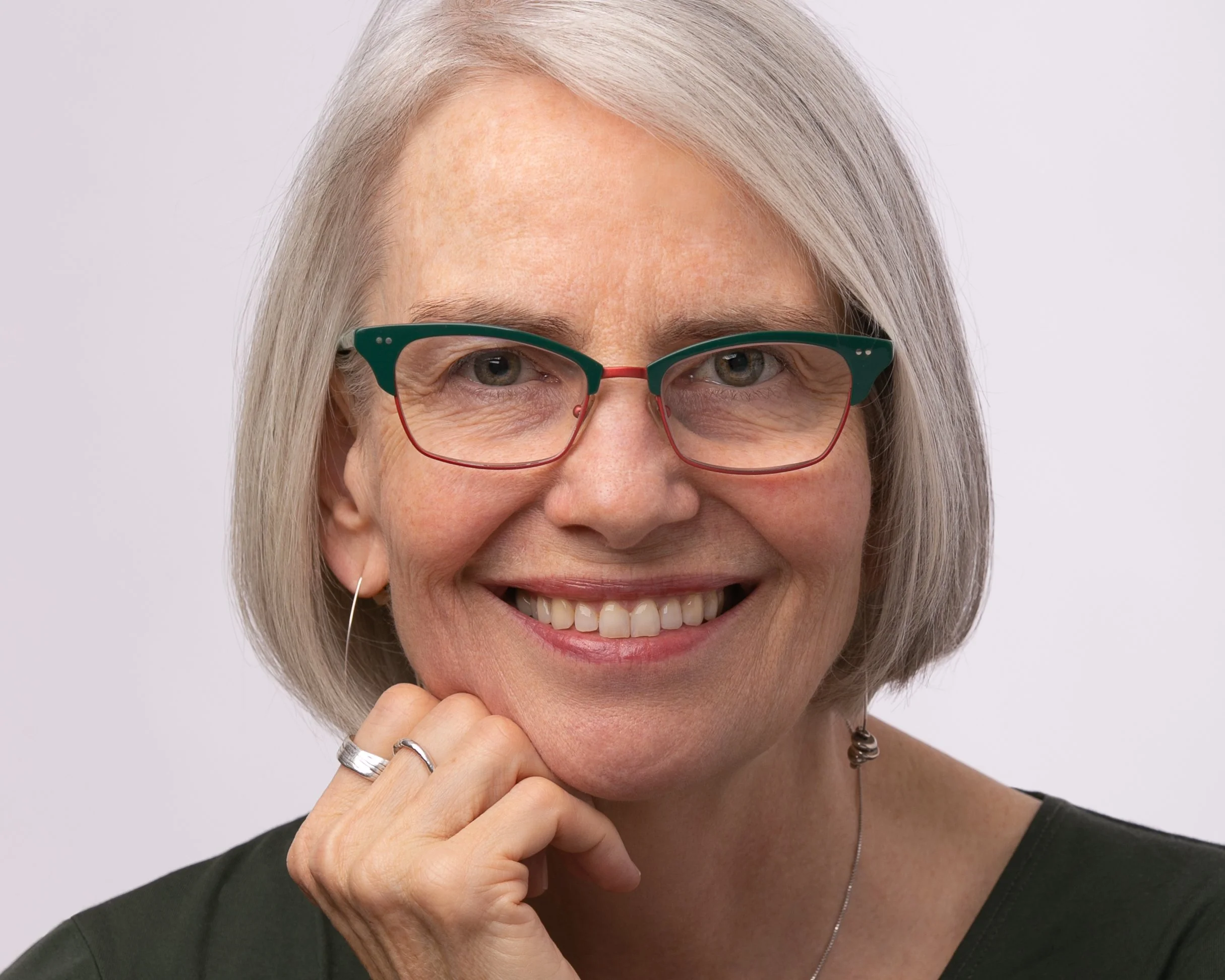
Sheila Stewart
More about Sheila Stewart:
Sheila Stewart’s publications include two poetry collections, A Hat to Stop a Train and The Shape of a Throat, and a co-edited anthology of poetry and essays entitled The Art of Poetic Inquiry. Awards include the gritLIT Contest, the Scarborough Arts Council Windows on Words, and the Pottersfield Portfolio Short Poem Contest. Her poetry has been widely published in Canadian and international journals. She recently left teaching at the University of Toronto to devote herself to writing.