

BLOG
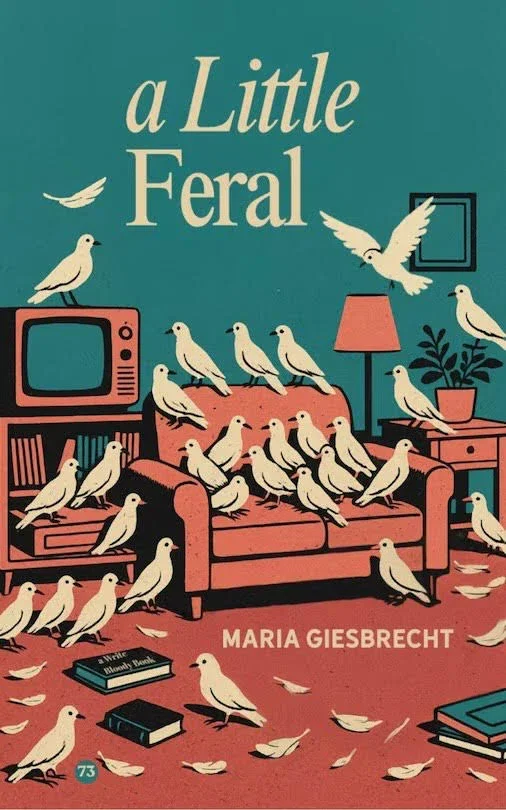
Excerpt from A Little Feral by Maria Giesbrecht
None of my ex’s had a dog. I can’t watch
television alone. I am sloppy
with the weekend

Power Q & A with Adriana Onițǎ
When I moved to Edmonton, Canada from Jilava, Romania in elementary school, I felt so much pressure to assimilate that within a few years, I almost completely lost the capacity to express myself in my mother tongue. Since then, I’ve felt this desperate dor, or longing, for limba română.
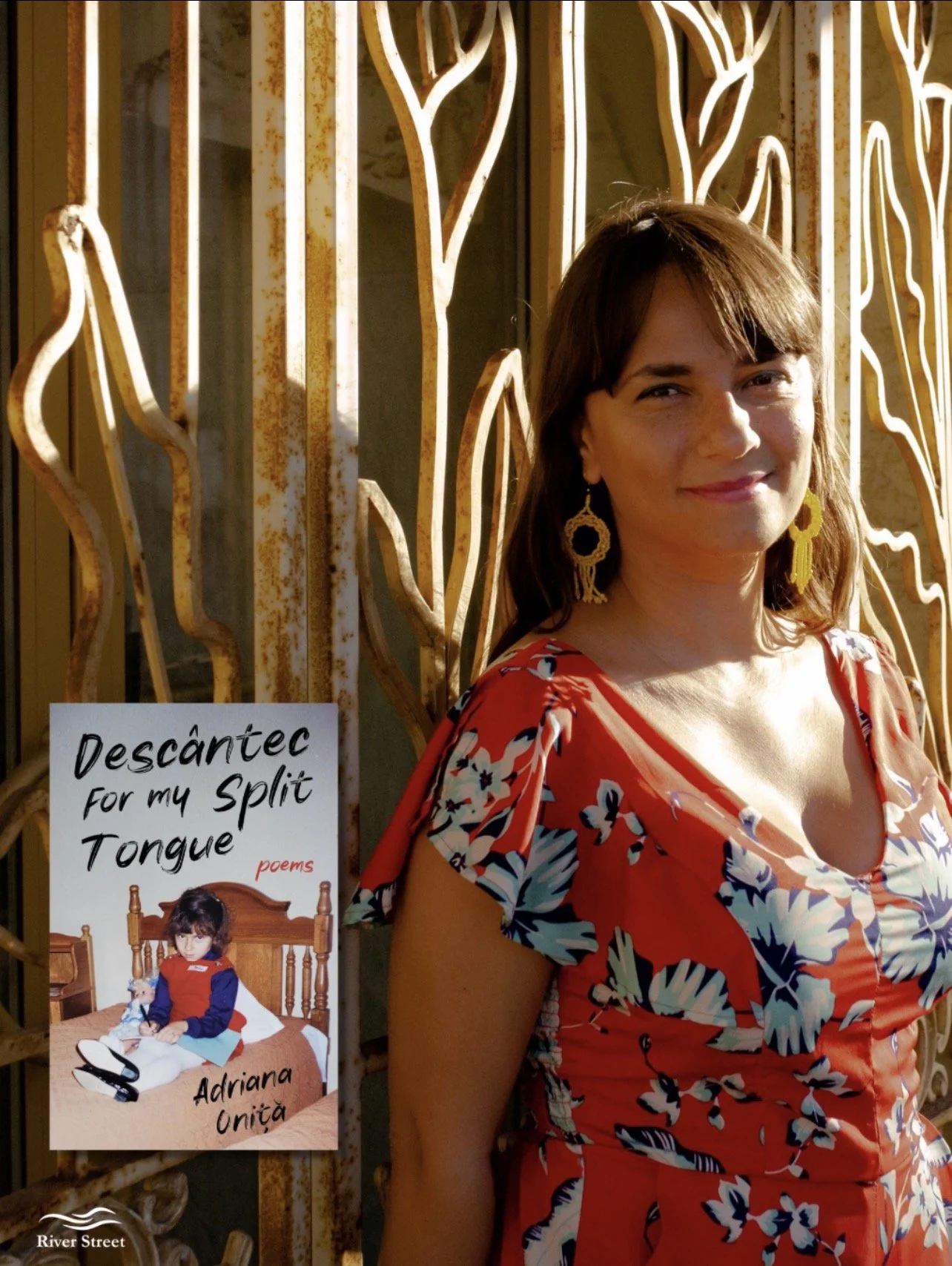
Excerpt from DESCÂNTEC FOR MY SPLIT TONGUE by Adriana Onițǎ
My mother tries to translate it on the phone:
Harnică means you’re vrednică.
You’re pricepută, îndemânatică, dibace.
You work with spor.
Muncești cu râvnă.
Lucrezi cu zel.
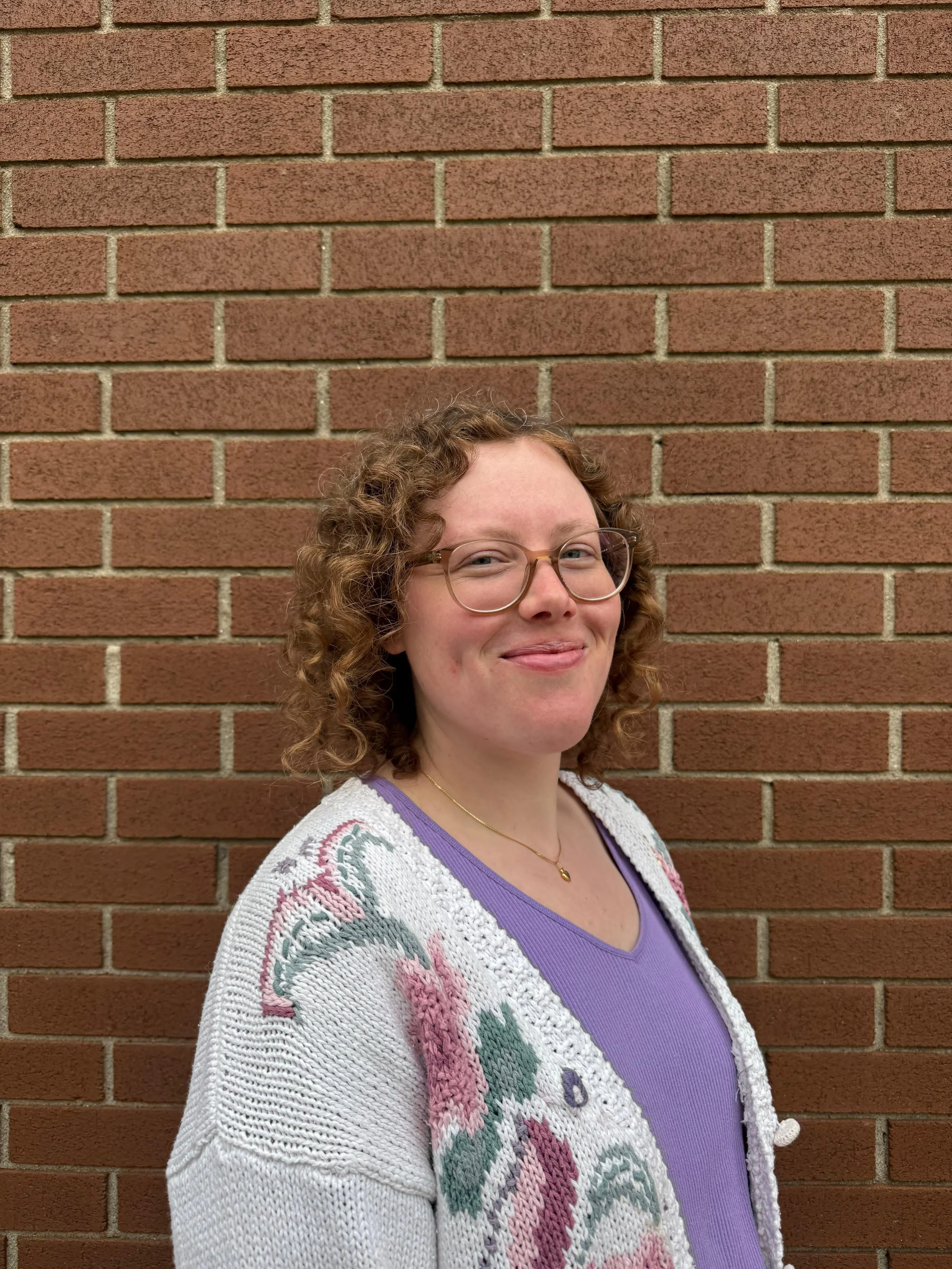
Power Q & A with Karolina Bednarek
For me, a poem is "finished" when it flows so smoothly that lines will randomly pop into my consciousness like catchy song lyrics. I know it's time to step away from the page when everytime I make a change, no matter how minor, I revert back to the original.
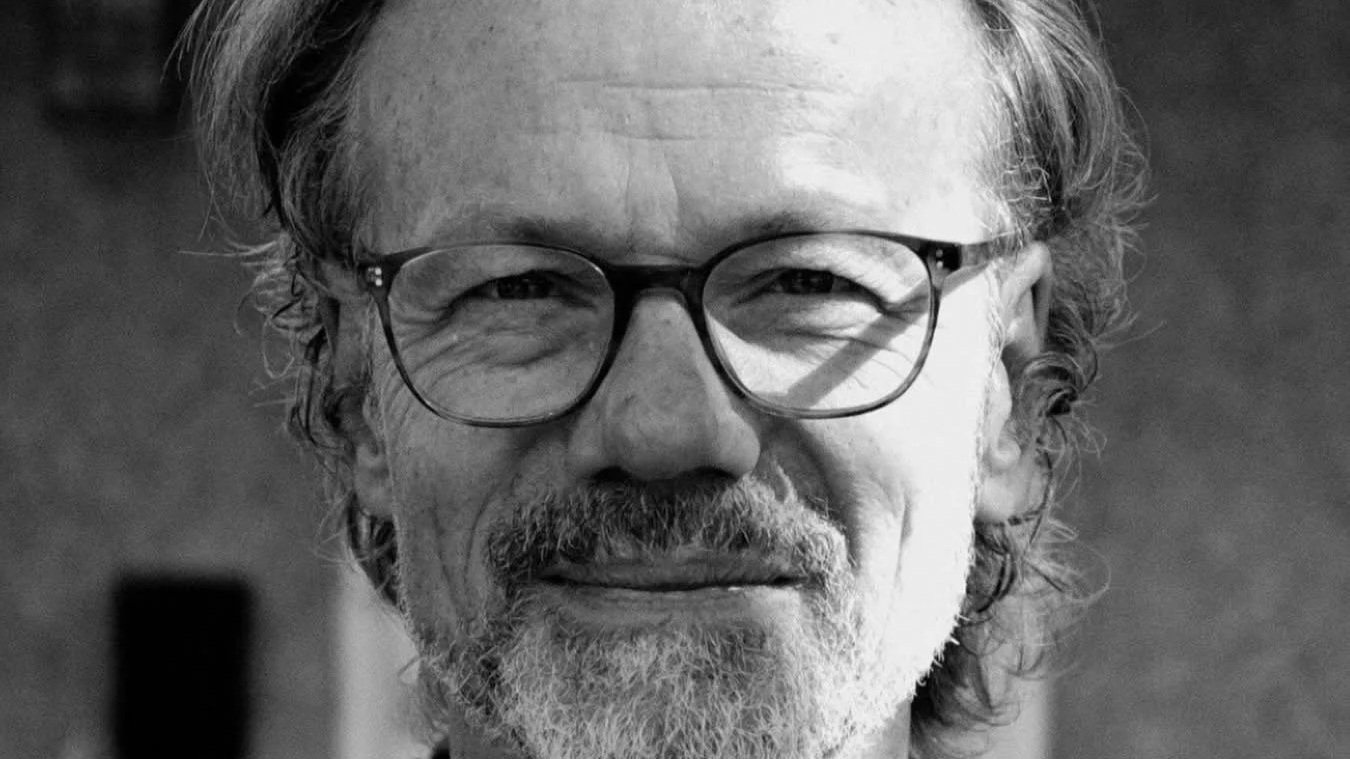
Excerpt from My Mother Joins the Resistance by Richard Harrison
Between the day in June when Mrs. Harrison booked her death
and the day in July when the doctor came,
she grew heavy in the hospital
on twelve last suppers.
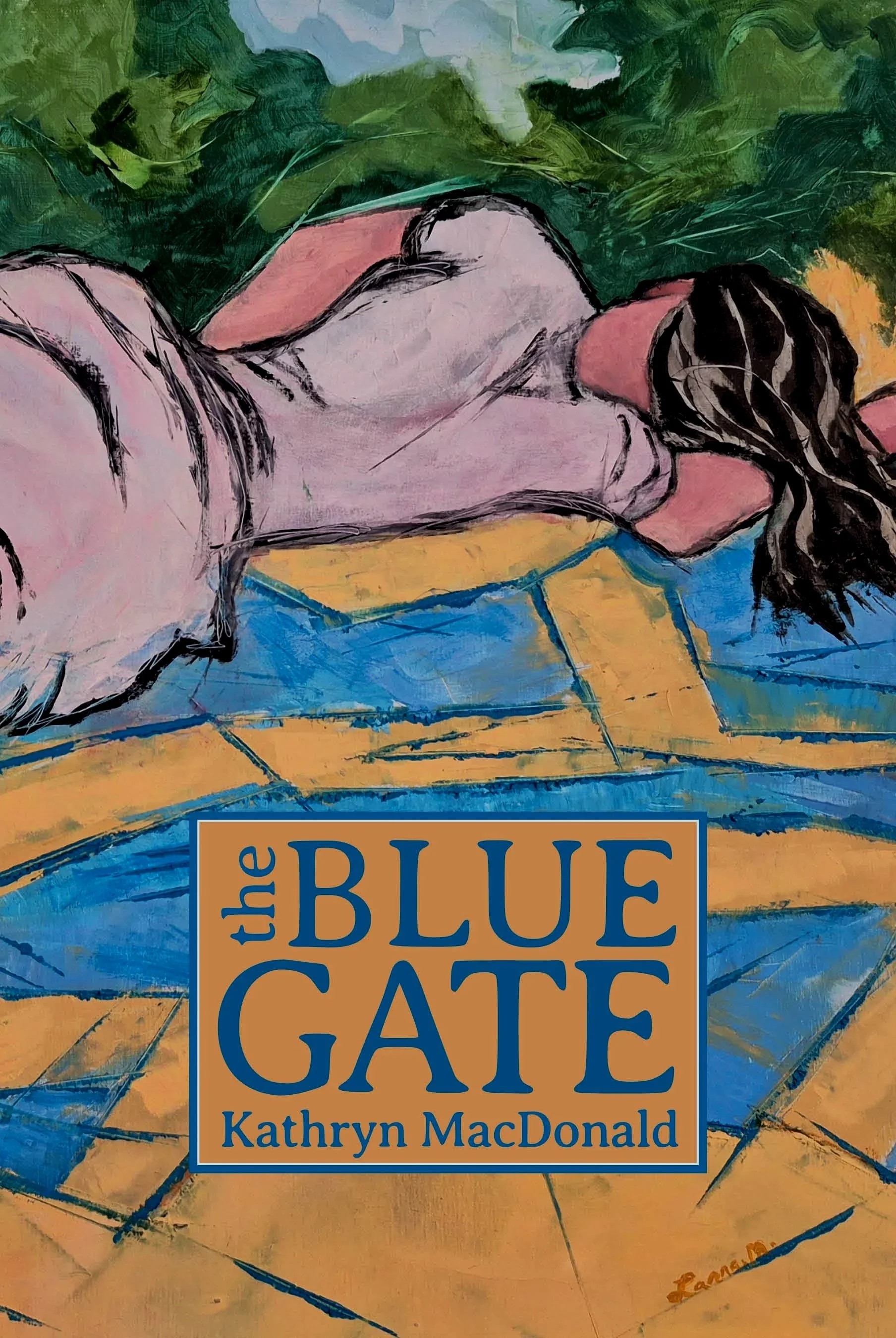
Excerpt from The Blue Gate by Kathryn MacDonald
Love felled her like a tree
a robin’s egg in a windstorm
a pretty blue thing
a gift of spring.

Power Q & A with Kathryn MacDonald
The whole of The Blue Gate weaves threads of love and loss. But in the long central section, where I’m thrust into grief, reality ravels and unravels. Death destabilizes, throws one into a space and time that is unknowable. I move physically into an unknown country but emotionally hold close to what is lost. In this time of transformation, I walk in two simultaneous realities.

Power Q & A with Anna Veprinska
Although a collection of minimalist poems (or one long poem composed of minimalist fragments), Wound Archive has a lengthy origin story. In 2016-2017, I was a Fellow at the Mandel Center for Advanced Holocaust Studies at the Holocaust Memorial Museum in Washington, D.C. I was researching instances of Holocaust survivors reading poems as part of their testimonies and was deeply invested in exploring the place poetry held in survivor testimony.
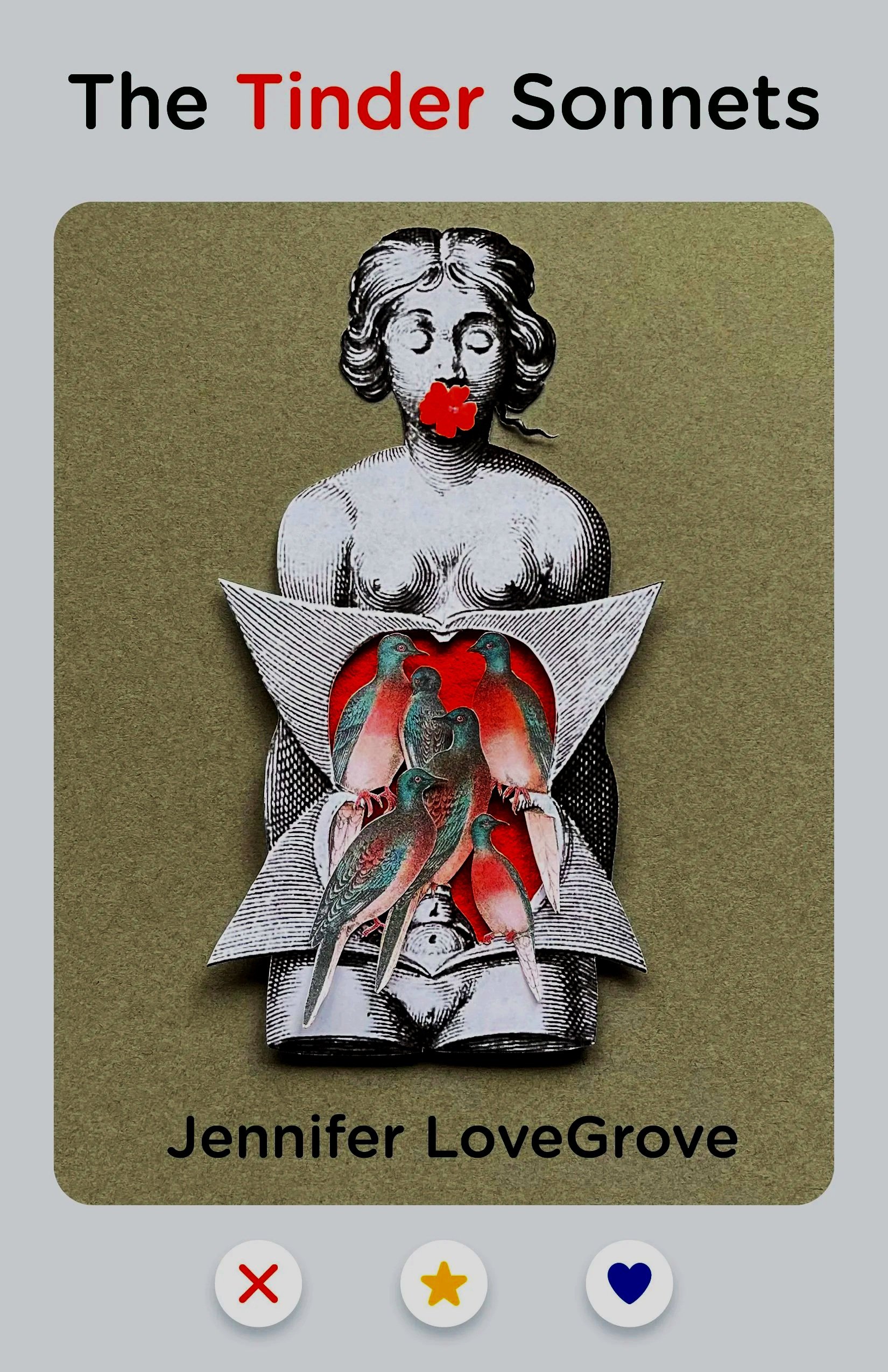
Excerpt from The Tinder Sonnets by Jennifer LoveGrove
Fresh loroco, importing banned. Oblong
little smugglers, edible blossoms, green-
sheathed, pale inside. Insipid. Pandemic
first date in rain. Sipping cheap white wine from
a pink plastic cup, SLUT scrawled across the
bus shelter. I text a friend a selfie.
Excerpt from How I Bend Into More by Tea Gerbeza
Based on Tea Gerbeza’s experience with scoliosis,How I Bend Into More (Palimpsest Press, 2025) re-articulates selfhood in the face of ableism and trauma. Meditating on pain, consent, and disability, this long poem builds a body both visually and linguistically, creating a multimodal space that forges Gerbeza’s grammar of embodiment as an act of reclamation.
Review of Guy Elston’s The Character Actor Convention by Callista Markotich
Let us accept the crowd-fostered confusion of person. Let us precariously enjoy the close-call near-cliché which hugs us with homely familiarity: are we nearly there yet? Let us reconsider the title: The Character Actor Convention. Convention – is this the only Convention we may find? Or not?

Power Q & A with Mallory Tater
I discovered my love of swimming in 2019. One of my best friends had just died, and I was searching for escapism—away from screens, away from work, and, in some ways, away from my own body. The weightlessness of being submerged in the public pool eased my angst and softened the tension and grief in my neck and shoulders. The quiet beneath the water cleared my mind. The rhythm I could build toward, channel, and disrupt brought me a sense of control and steadiness. Stripping down my body and taking a warm shower before and after felt reverent. Small talk with strangers—those quiet good mornings in the lobby and the lanes—became part of the day’s calm order. The pool, like the poem, became a place of repetition, refining, and resistance.

Excerpt from Lockers are for Bearcats Only by Mallory Tater
With an unnaturally faint heart, I clasp
rooted qualms that match my own:
fears hidden in worn rock,
fears that rest in vertebral gaps.

Excerpt from NMLCT by Paul Vermeersch
Poetry that explores our “post-truth” society, NMLCT holds up a mirror not only to nature, but also to its unnatural distortions and facsimiles. Imagine The Matrix retold by the reanimated cyborg bodies of the Brothers Grimm.

Power Q & A with Stephanie Bolster
The timing of the book’s release was coincidental, though it’s a fortunate coincidence in that Katrina and the subsequent levee breaches that wreaked such devastation in New Orleans are back in the public consciousness and may make readers more interested in the perspective the book offers. Sadly, the inequalities the disaster highlighted are even more acute now than they were then, and the climate change that contributed to the storm has only worsened.
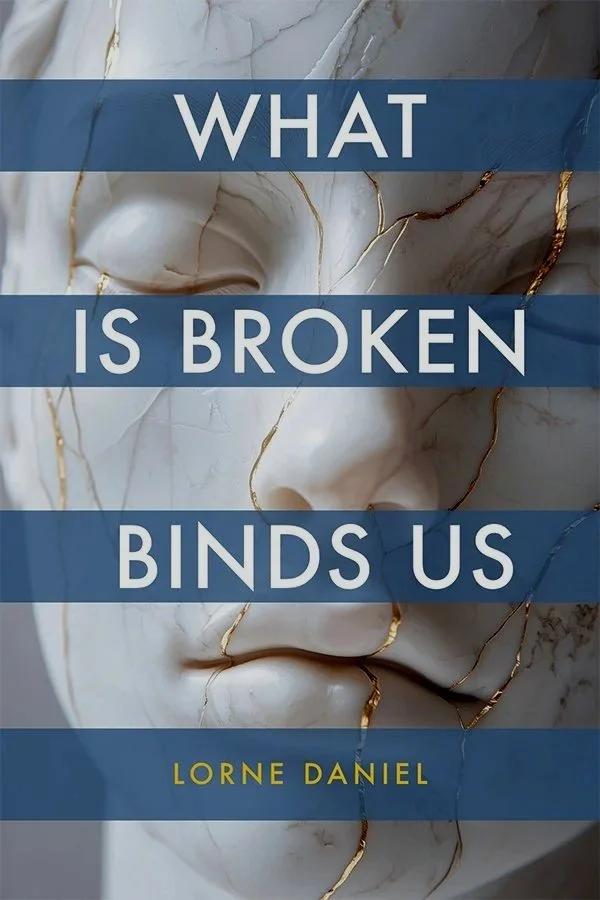
Addiction, Family, and the Story Behind Lorne Daniel's What is Broken Binds Us
“I initially wrote the story of our family’s journey purely to record what was happening as it happened,” says poet and retired communications consultant Lorne Daniel about his poetry collection What is Broken Binds Us. “The addictive behaviours, the anger, the borderline housing challenges disrupted and changed week by week, month by month, over years and stretched into decades,” he says of one son’s journey. “While we tried to support him, it was often a real challenge to track what was happening, even to track where he was.”

Excerpt from Long Exposure
After Hurricane Katrina, the photographer Robert Polidori flew to New Orleans to document the devastation. In the wreckage he witnessed, and in her questions about what she saw in what he saw, Stephanie Bolster found the beginnings of a long poem. Those questions led to unexpected places; meanwhile, life kept pouring in. The ensuing book, Long Exposure, is Bolster’s fifth, a roaming, associative exploration of disasters and their ongoing aftermaths, sufferings large and small, and the vulnerability and value of our own lives. Incremental, unsettling, Long Exposure rushes to and through us.

Excerpt from Ajar by Margo LaPierre
Do you like my braids? Pinterest taught me.
Curls come tumbling.
I have a room just for this. Night terrors and vanity.
Pigeons, rroux rroux.
Rroux, rroux. It sounds like American poets.
Sounds like opaque familiarity.

Power Q & A with Lorne Daniel
Some of the poems about family estrangement in this book started simply with me wanting to record what was going on – to create a record. But then, I have an urge to do more with it, to explore the nuances of the experiences and to create relationships.

Excerpt from The Character Actor Convention by Guy Elston
My sister says How could you
bring a child into this world.
I get it—not like galvanised iron
is the ideal nest lining.