
Power Q & A with Kathryn MacDonald
Q: In the long central section of The Blue Gate, there is ambiguity of place and time – you are in Kenya and simultaneously at home in Canada. Can you help us to understand?
A: The whole of The Blue Gate weaves threads of love and loss. But in the long central section, where I’m thrust into grief, reality ravels and unravels. Death destabilizes, throws one into a space and time that is unknowable. I move physically into an unknown country but emotionally hold close to what is lost. In this time of transformation, I walk in two simultaneous realities.
To paraphrase the mythologist, Joseph Campbell, when there’s a disruption in one’s normal life, a ‘call’ may be heard, an invitation to venture into the unknown. With Jim’s death, I was lost in the absence of him and, as amazing as it sounds, an invitation came to live with a Kenyan family through January and into February. I said yes and crossed a threshold, crossed from here to there, from then to now, crossed the divide between past and future. The surreality of this section of The Blue Gate reflects this shift. For example,
… at Thika black cattle graze to the highway’s edge, pick their way over ruts, avoid the grey strip of roadway.
And there you are
with a pail of tools and a ring of wire
deep in the act of mending fences
while curious cattle crowd
behind you. I stare
into morning sunshine
my vision blurred.
We continue climbing up and up out of the river valley away from Nairobi….
Writing is a way of shaping physical reality and perceptual reality. In this sense, The Blue Gate is a kind of palimpsest where traces of the old reality surface and merge into the new.
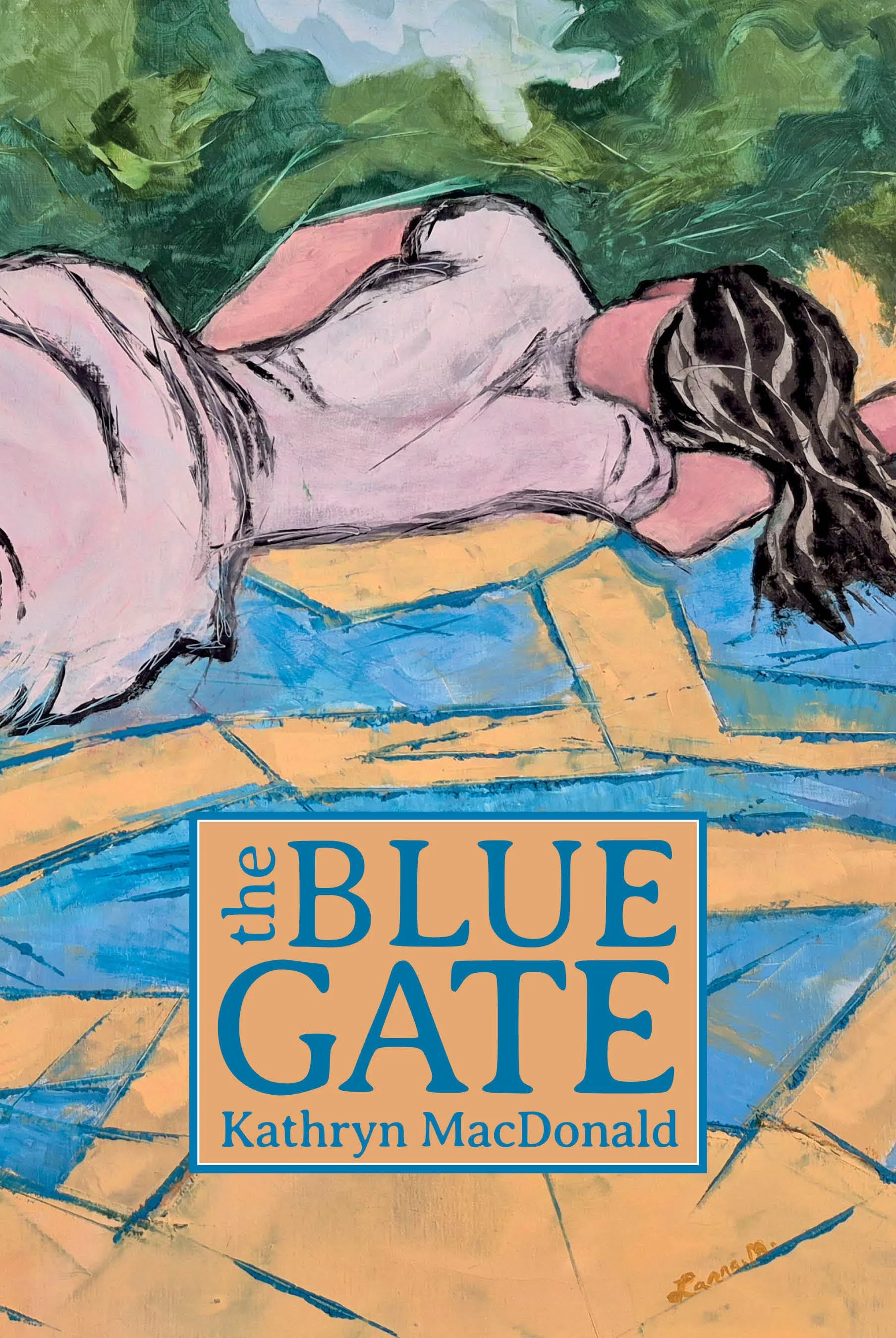
The Blue Gate explores the surprise of love, the shock of loss, and challenges boundaries and liminal spaces. It probes into a love affair that defies conventions, capturing the narrator’s voice from the first lyrical poem. With the death of the belovèd, an invitation to fly to Kenya arrives; it’s accepted; and the long title poem ravels and unravels reality. Poems in the final section question the loss of intimacy, loneliness, change, and unattainable acceptance. The poetry is vivid and grounded in the senses and in nature, whether set in Canada or Africa. The collection seeks – what – understanding, consolation, release, or does it ask whether love enriches or leaves one lost?
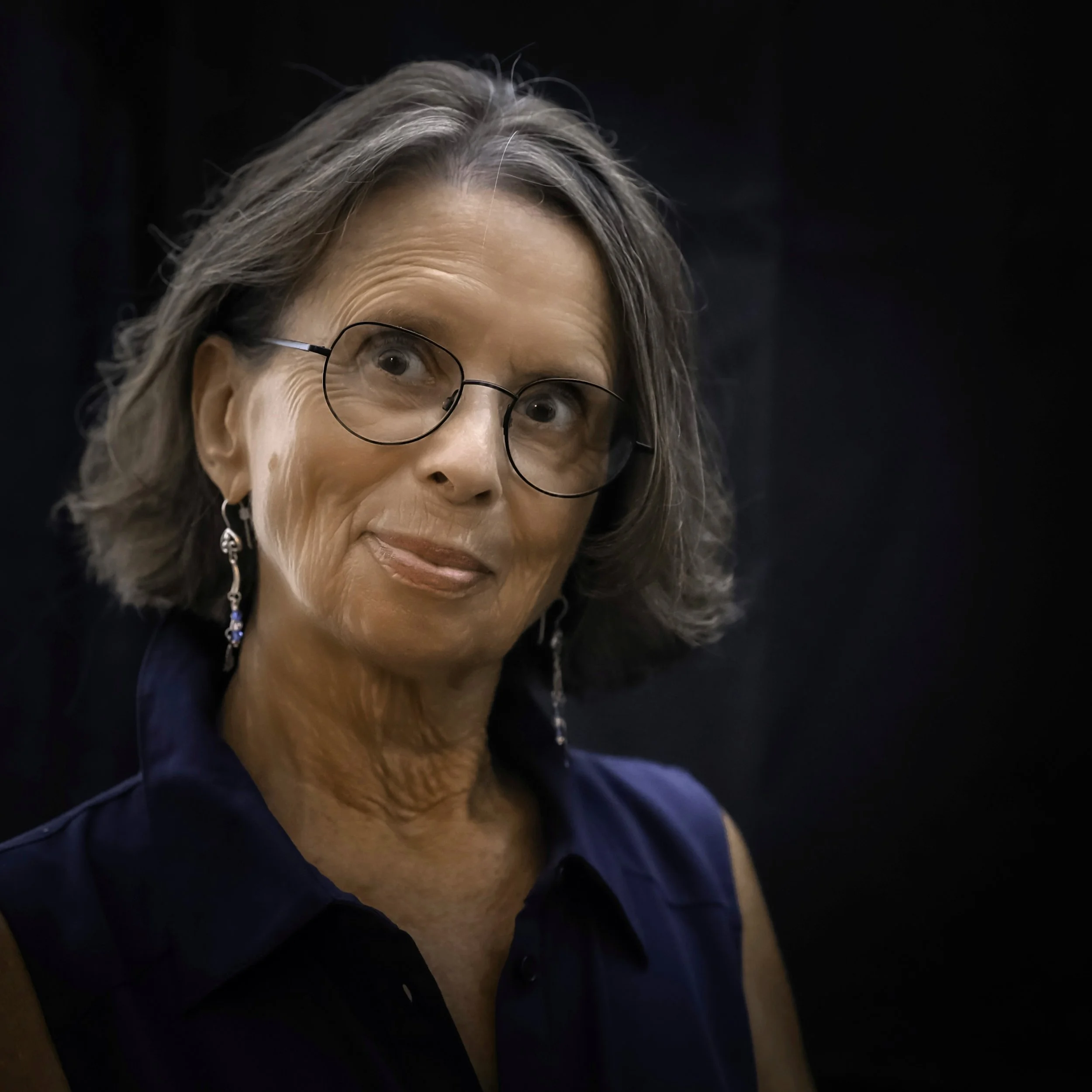
Kathryn MacDonald’s poetry has been published in Room, FreeFall and other Canadian literary journals and anthologies, as well as internationally in the U.K., U.S., and other countries. She is the author of Wayside: A Small Boat, A Vacant Lot, A Man (poetry chapbook, 2026), Far Side of the Shadow Moon: Enchantments (poetry chapbook, 2024), A Breeze You Whisper: Poems (2010), and Calla & Édourd (novel, 2009).