

BLOG

Power Q & A with Pamela Mordecai
I write for anyone who can read, anyone who has ever opened the cover of a book. I don’t say anyone who enjoys reading, because one big reason that I write is to seduce people who would not, as a habit, consider books as a source of entertainment, who would not say that they “like to read.”
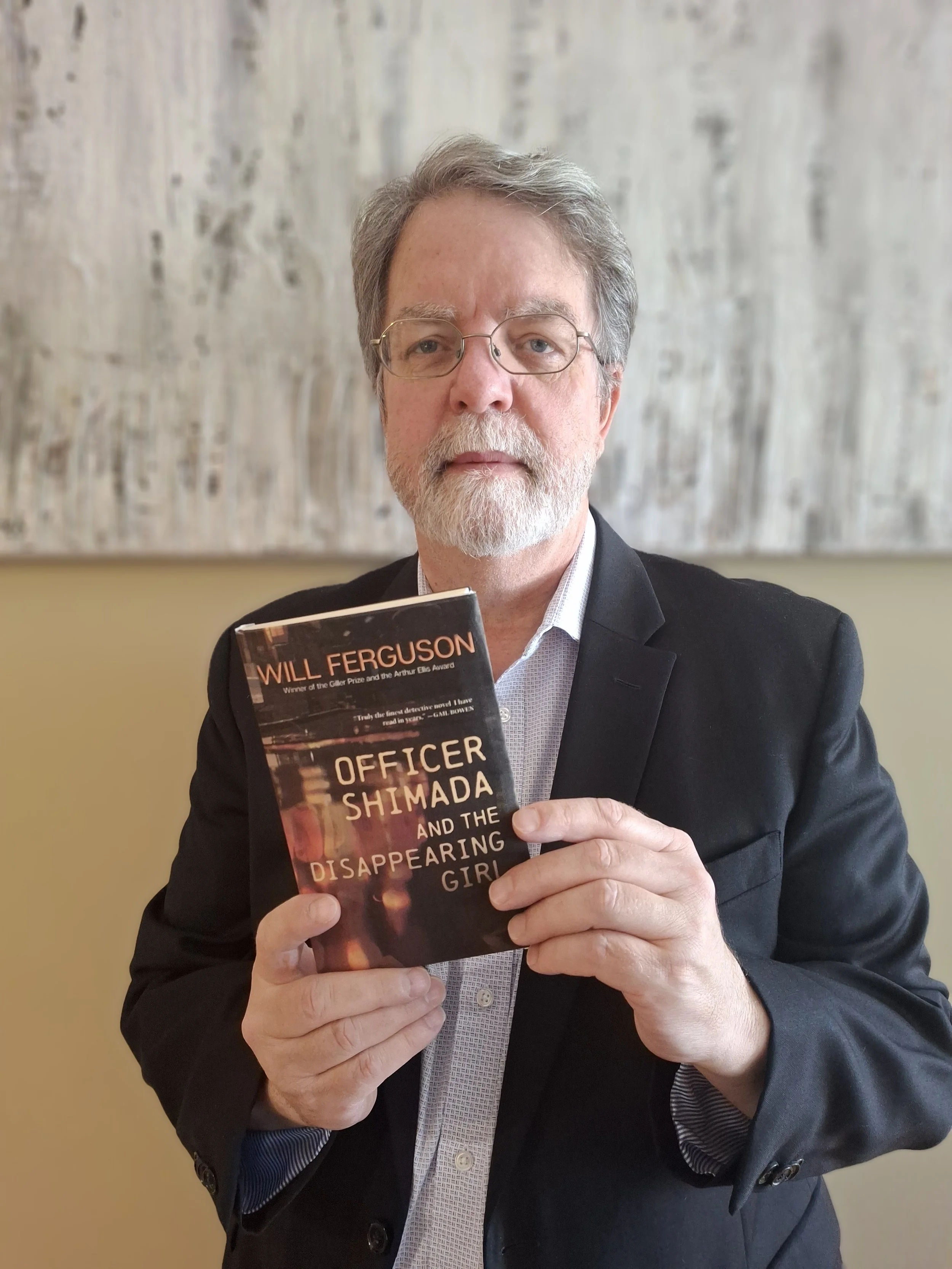
Power Q & A with Will Ferguson
When authors get together to gripe, they often gripe about this: people asking, ‘Where do you get your ideas?’ It’s posed at dinner parties and public readings and even in media interviews. I knew one particularly prickly writer whose standard reply was ‘I subscribe to Ideas Monthly.’ But I’ve never understood why this question would bother anyone.
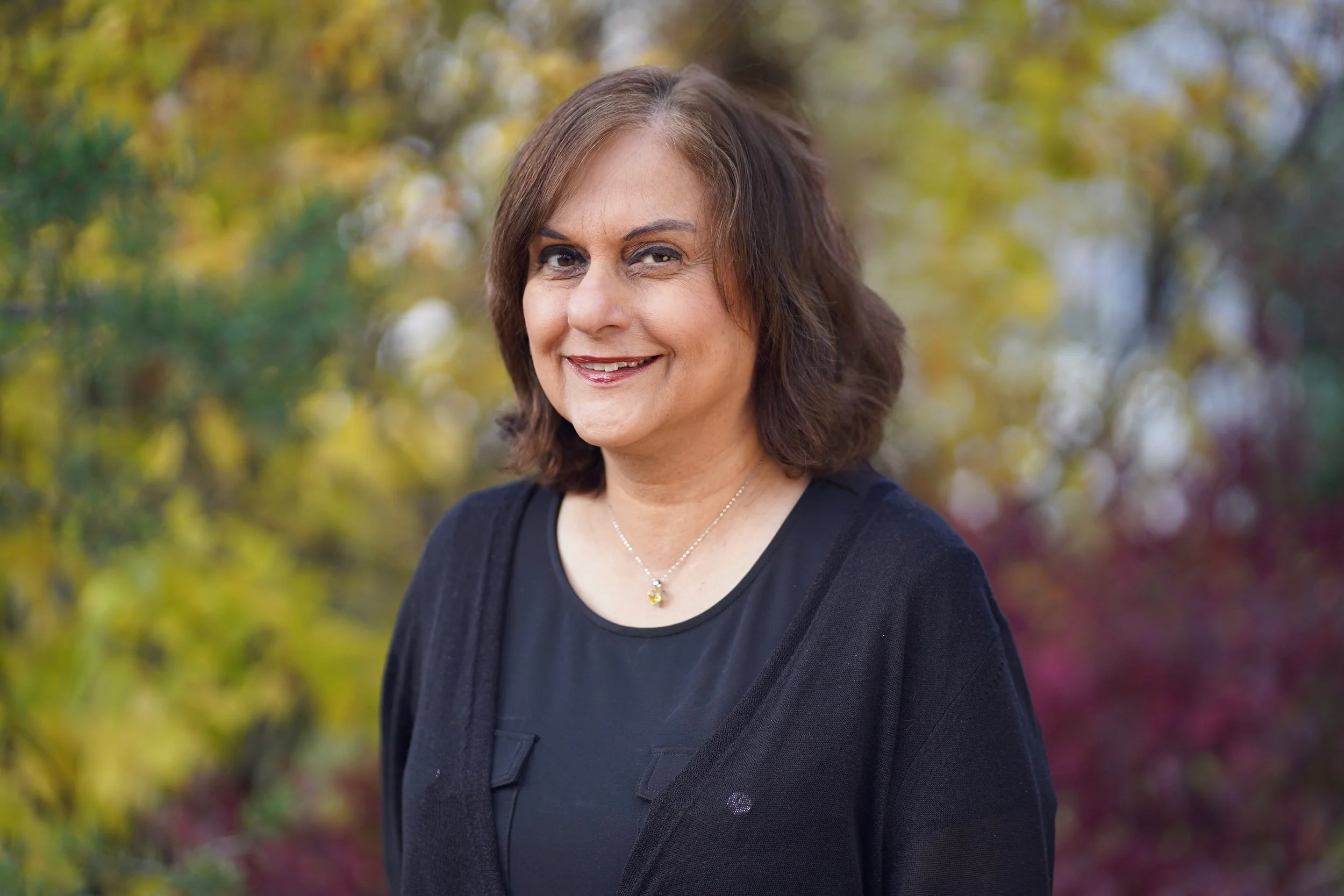
Power Q & A with Kelly Kaur
I never imagined that I would have a poetry collection. In the last 5 years, I decided to pursue my passion for poetry that I have always had since I was a young girl growing up in Singapore. English classes were my favourite at school. I remember that we even had a class on poetry every week. I could not wait for Wednesdays at 2 pm. With our trusty teacher at the helm, we read poems aloud in class, memorized them, and I was lucky enough to be selected to perform some of them on stage for school celebrations. I was only 11. There was this one poem that I still remember about how even the powerful Queenof England had to stop and obey the red traffic lights. The love for poetry was planted in my soul from elementary school – the power of the arts.
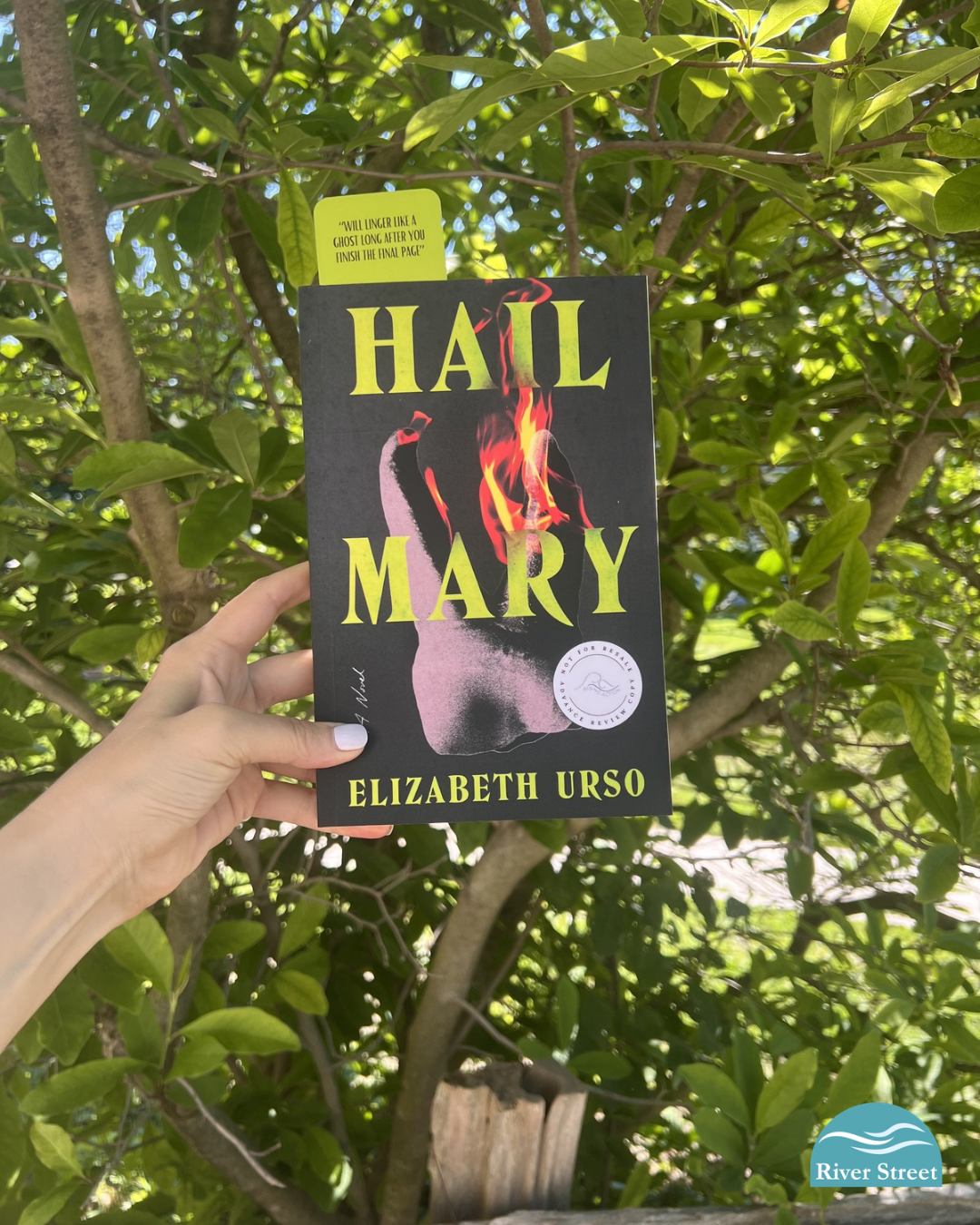
Power Q & A with Elizabeth Urso
Elizabeth Urso’s debut Gothic suspense novel, Hail Mary (Rising Action Publishing, September 22, 2026) follows Mary Foreman, who returns to her hometown to help her estranged family during a scandal-plagued election. But when the opening of a decades-old time capsule draws her into a criminal investigation tied to her family’s funeral empire, she must fight to prove her innocence. Not only of recent crimes, but past ones, too. For this is the North Shore of Lake Huron, and the past is always present where the dead don’t die.
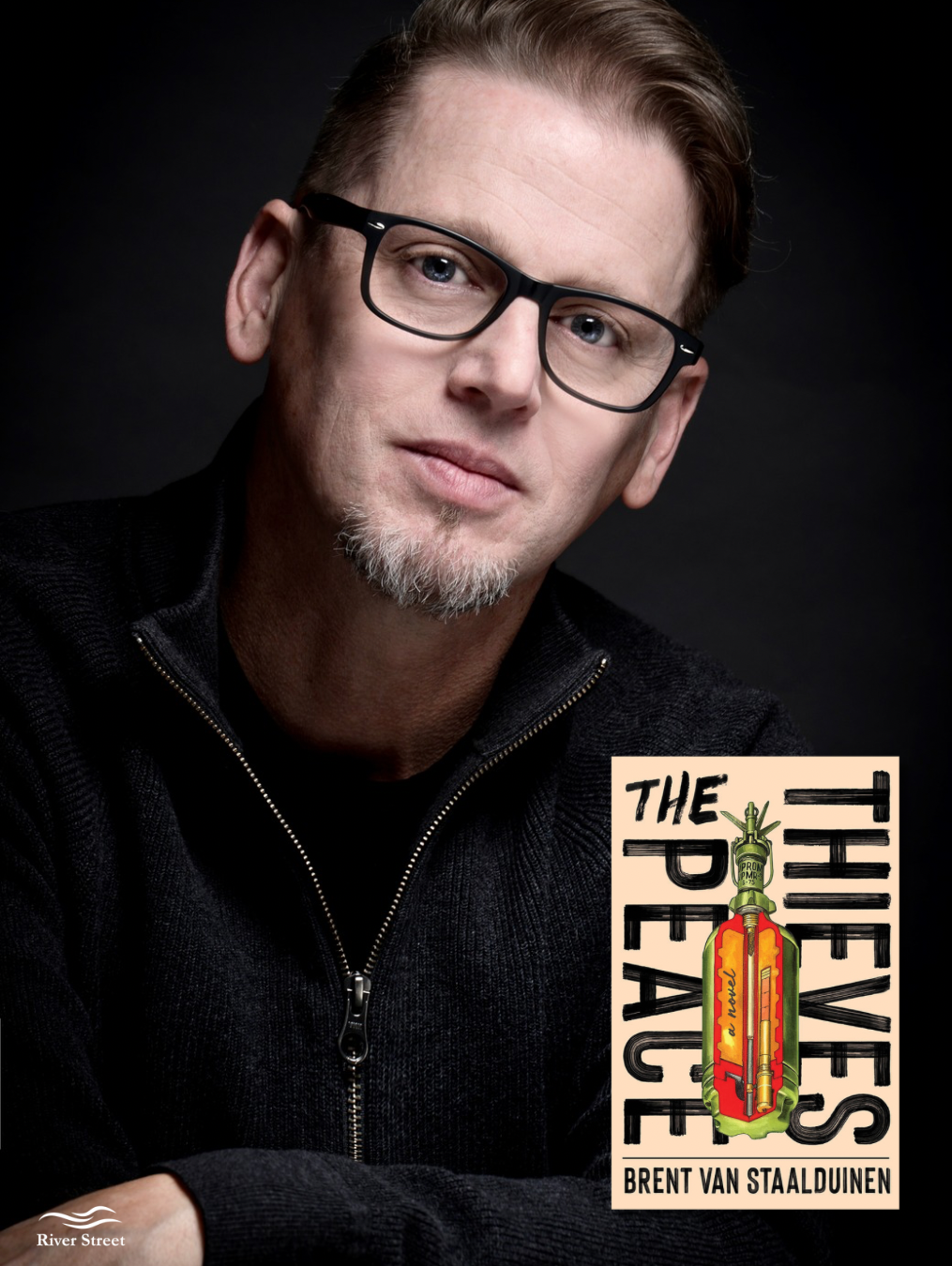
Power Q & A with Brent van Staalduinen
I think it’s really important to acknowledge first that many things can be true all at once, even contradictory things. Of late, with the flame-fest that the internet has become, I’ve particularly been cognizant that polarization is destructive, and that we need to find our truths near the centre. If we send ourselves too far either left or right, it becomes very, very hard to see the middle, much less each other.

Power Q & A with Hollay Ghadery
The decision was not intentional. When I was initially thinking about the novel, I intended to have multiple perspectives, but at some point, due to a combination of reading Adele Wiseman’s Old Woman at Play (which is about her mother’s profilic doll making and creativity), and doing many crafts with my four children, a sock puppet wandered into my head. I became fascinated with the puppet’s voice, which was silly and sweet and whismically wise. I found myself disinterested in listening to any other character. So I didn’t. I let the puppet tell the story of Minoo—an Iranian immigrant to Canada struggling with shame, sexuality, and being there for herself and the people she loves.

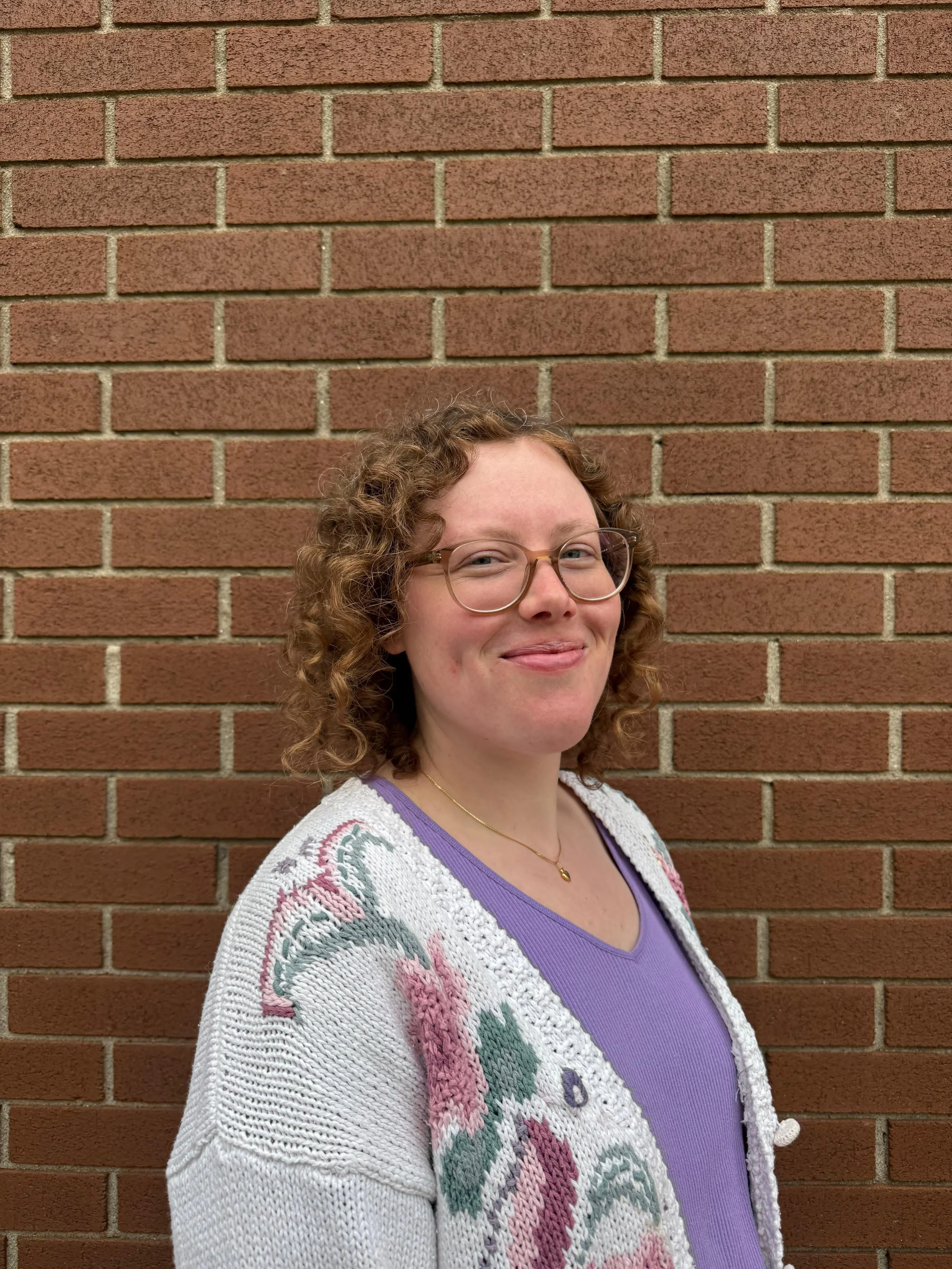
Power Q & A with Adriana Onițǎ
When I moved to Edmonton, Canada from Jilava, Romania in elementary school, I felt so much pressure to assimilate that within a few years, I almost completely lost the capacity to express myself in my mother tongue. Since then, I’ve felt this desperate dor, or longing, for limba română.
Power Q & A with Karolina Bednarek
For me, a poem is "finished" when it flows so smoothly that lines will randomly pop into my consciousness like catchy song lyrics. I know it's time to step away from the page when everytime I make a change, no matter how minor, I revert back to the original.

Power Q & A with Kathryn MacDonald
The whole of The Blue Gate weaves threads of love and loss. But in the long central section, where I’m thrust into grief, reality ravels and unravels. Death destabilizes, throws one into a space and time that is unknowable. I move physically into an unknown country but emotionally hold close to what is lost. In this time of transformation, I walk in two simultaneous realities.
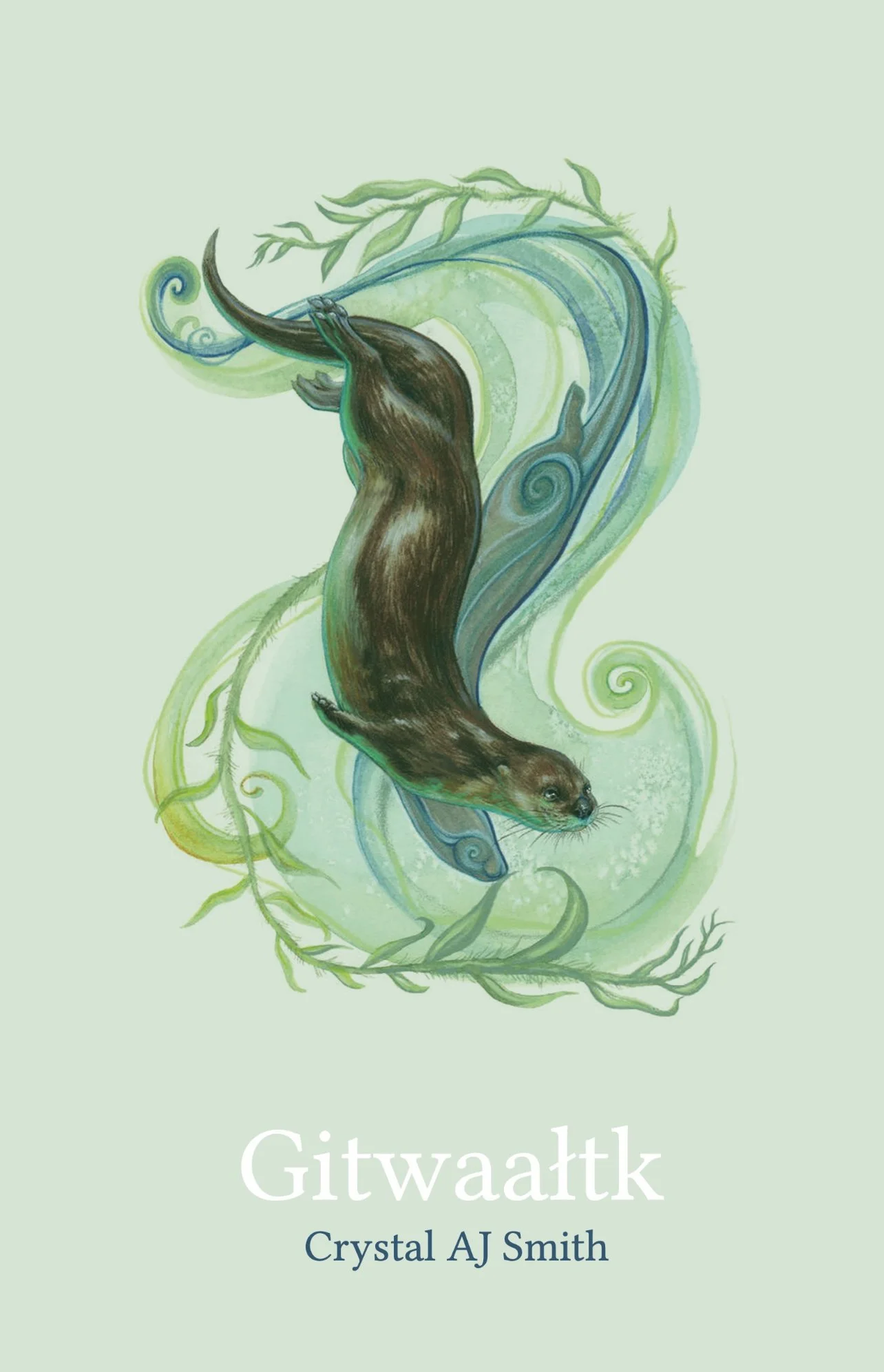
Power Q & A with Crystal Smith
T’oyaxsut’nuun, I really appreciate the question and I would like to answer it but I have to be honest, I, luckily, have not been touched by the loss of a loved one on the highway of tears. I wish everyday for the safety of my family that lives along the highway, my friends, my loved ones. I really wish for the safety of all Indigenous people along the highway of tears.
Power Q & A with David Ly
It was like laying beams in the dark, trying to trust that something will hold even though I could not see or understand the entire structure yet. There was a tenacious fear that I was imagining incorrectly, that I was misunderstanding my own creation, and mistaking whim for truth.
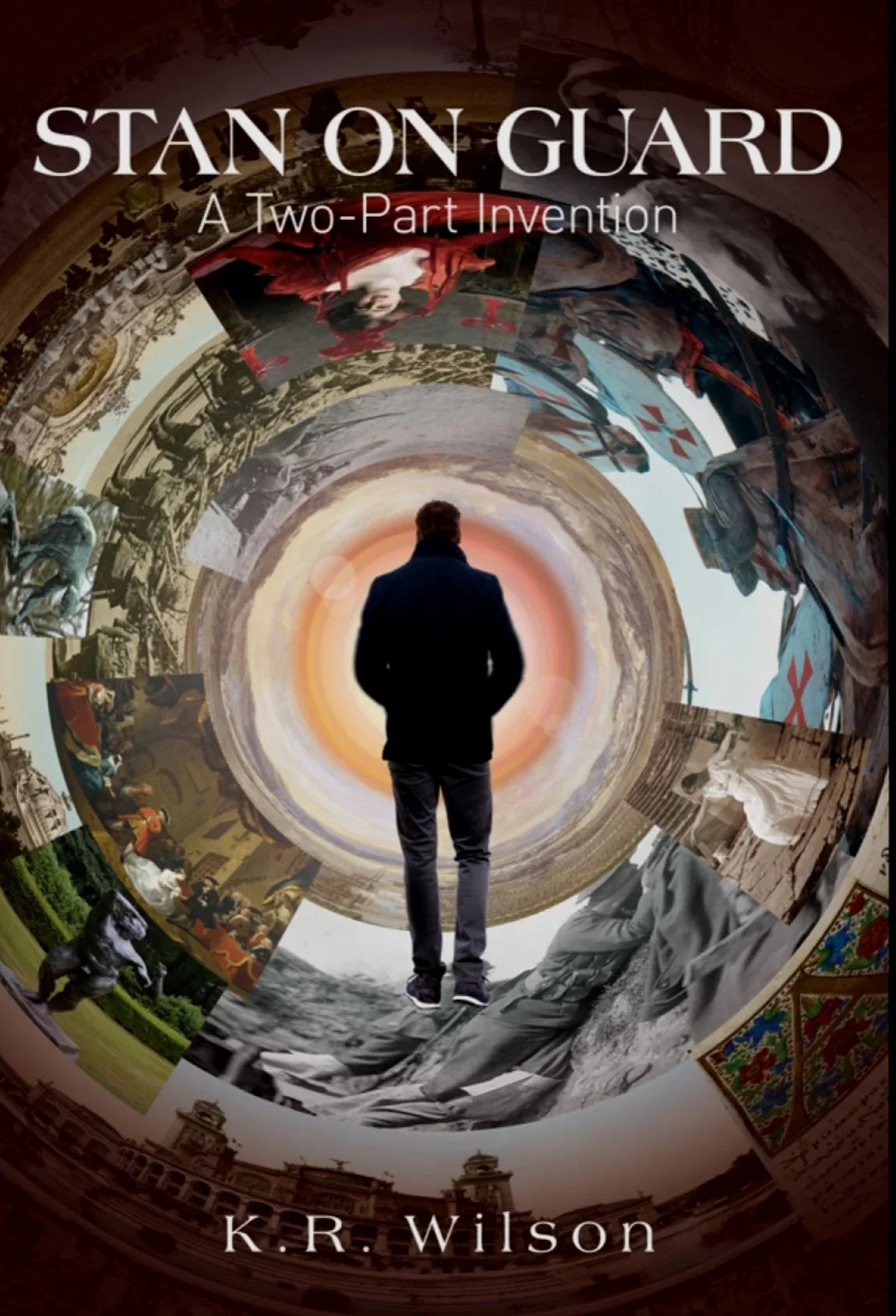
Power Q & A with K.R. Wilson
Ishtanu (call him Stan) is a Hittite immortal keeping his head down in Toronto and recounting some of his experiences. Tróán is an immortal Trojan princess who thought she’d killed Stan in post-war Berlin but who now knows he survived. Yes, technically Stan can die. He has just managed not to for 3200 years.
Power Q & A with Sean Paul Bedell
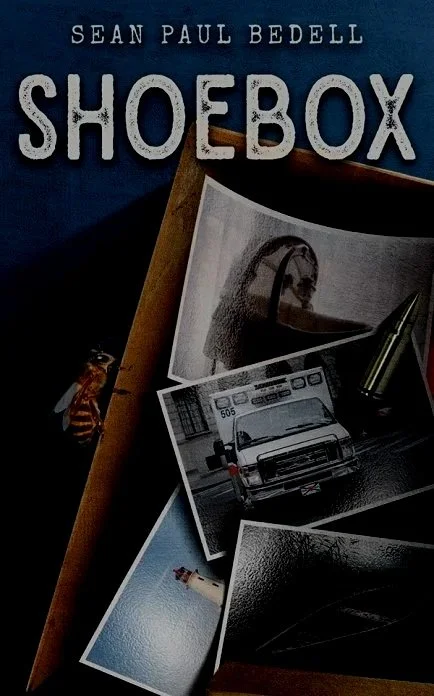
I wrote the book in the ‘gritty realism’ style. That’s intentional, I want my readers to feel, see, smell and touch – everything that the main character, Steve Lewis, does. I want them trudging to calls in his work boots. Though it’s fiction, Shoebox is loosely based on calls I did or ones my crew mates were involved in.

Power Q & A with Mallory Tater
I discovered my love of swimming in 2019. One of my best friends had just died, and I was searching for escapism—away from screens, away from work, and, in some ways, away from my own body. The weightlessness of being submerged in the public pool eased my angst and softened the tension and grief in my neck and shoulders. The quiet beneath the water cleared my mind. The rhythm I could build toward, channel, and disrupt brought me a sense of control and steadiness. Stripping down my body and taking a warm shower before and after felt reverent. Small talk with strangers—those quiet good mornings in the lobby and the lanes—became part of the day’s calm order. The pool, like the poem, became a place of repetition, refining, and resistance.
Power Q & A with David Elias
The setting for Into the D/ark is a relatively isolated farming community in the early nineteen sixties. With the recent arrival of American network television, the larger world has begun to make its way into the daily lives of the characters living in this insulated folk society.

Power Q & A with David Giuliano
This past May, I turned sixty-five. Pearl, my beloved, asked what I wanted for my birthday. When she turned sixty-five, she wanted a party. I booked a local venue and chef, put together a 1970s top-ten playlist, and a birth-to-sixty-five video to the tune of “What I Like About You,” by the Romantics. It was a blast.
Me? I wanted a casket. I had stumbled on the Fiddlehead Casket Kits website. “Build your own pine casket in under 30 minutes with this handcrafted casket kit,” it said, “delivered directly to your door.”
I told Pearl, “I want a casket for my birthday.”

Power Q & A with Lucy E.M. Black
This novel began in an antique store when I fell in love with a reproduction poster from May 1874. The splendid horse, young Netherby, was available as a proven foal-getter at $4 a single leap. I was charmed by the poster but also intrigued by the idea of a farmer advertising his horse’s services in this way. I began to wonder about the farmer and gradually Larkin’s story revealed itself and the novel unspooled.