
Power Q & A with Sean Paul Bedell
Q: In the novel Shoebox (NoN Publishing, 2025), the paramedic characters deal with trauma and the stress of the job in different ways. Are those portrayals realistic? And what about when you worked as a medic? How did you deal with the stress and the adverse experiences you witnessed?
A: Pranking and laughter is a short-term release for the after-call, adrenaline-fuelled tension. But the laughing, the pranks, using food, coffee, small talk, or watching a movie as distractions, is only a placebo. I hope the book shows that. The stress and memory of the trauma is buried inside and will work its way to the surface. In the story, Steve struggles because he can’t recognize and process all the emotion he feels, not only from his work but from his home life too.
In the story, Steve and his fellow medics are not only co-workers they’re roommates too. When I first started working ambulance, we worked 48-hour shifts. We lived, ate, and bunked together. We dealt not only with the stress and issues of calls, but interpersonal relationships of sharing living space with people including some with annoying habits. Add in too much caffeine and not enough sleep to the stress of constantly being hyper vigilant, and the atmosphere could tense up.
Beyond the paramedic-firefighter angle though, I’m a writer. I created a story to engage people and drive the reader to want to find out what happens next. I need readers to feel and root for a character that has become ’real’ for them. Beyond trauma and stresses of the job, I wanted to create a person people are compelled to find out what happens next for him. I told the story in first person so people could experience what Steve and the others do. I based it on typical calls to make the story as real as possible.
For me, some calls unfolded the way they were meant to. Whether the outcomes were good or bad, those natural-feeling calls don’t linger in my mind. I’ve made peace with those calls knowing I’d done all I could, that I’d followed my protocols to the letter. I have a natural acceptance of their outcomes.
Others – sudden and unexpected events in otherwise healthy people, or trauma, often with the young – children and babies – or situations where people were going on with their regular existence and something beyond their control barges into their life and changes it forever or snuffs it out. Those ones I know will be with me forever, deep in my memories, but always there, lingering below the surface. It never takes much for those memories to roar back.
The second guessing and the doubts can be excruciating. Even if calls are textbook perfect, sometimes things turn out badly. Accepting that is a challenge. It’s hard to live with. It’s easier to beat yourself up over something – something big or small – that I could have, that I should have done, to make things turn out okay. Not everything turns out okay. Calls that turn out stellar because of some intervention I did, stay with me too, but in a positive way. They keep me buoyed during and after the rough ones.
I was never diagnosed with PTSD, but many of my colleagues were. I never sought help for any issues stemming from my first responder work. In retrospect, I’m sure I had issues related to my work. When I first started, the ‘tough guy’ persona was prevalent. It has changed for the better over the years. As a profession, as a calling, and as a society, asking for help can be a weakness. Struggling to process what you’ve experienced is an internal flaw to be ashamed of. I say this: asking for help is no weakness; it is the greatest sign of strength. Asking for help and putting in the effort to understand is a good way to begin healing.
To this day, I avoid some streets in Halifax where I’ve done calls, they trigger a flood of memories I don’t want. Other times simple, everyday things that were present during one bad call or another, bring back a box load of mental souvenirs I’d rather forget. An unremarkable sound, odour or object was etched into my brain during a call that didn’t end well. Feelings are never ‘out of nowhere.’ Somehow a subtle trigger touched the recesses of my brain and brings a vivid reality to the top of my mind.
Writing this book was cathartic for me. I wrestled with my demons by putting ink on the page and creating the realistic life of a medic. Shoebox tells the story of one person who struggles with loss, grief, and guilt. He navigates through life, work, and family the best he can. He makes mistakes, he gets some things right. I created him with everything real that makes us human – despair, sadness, loneliness; but also hope and love and joy.
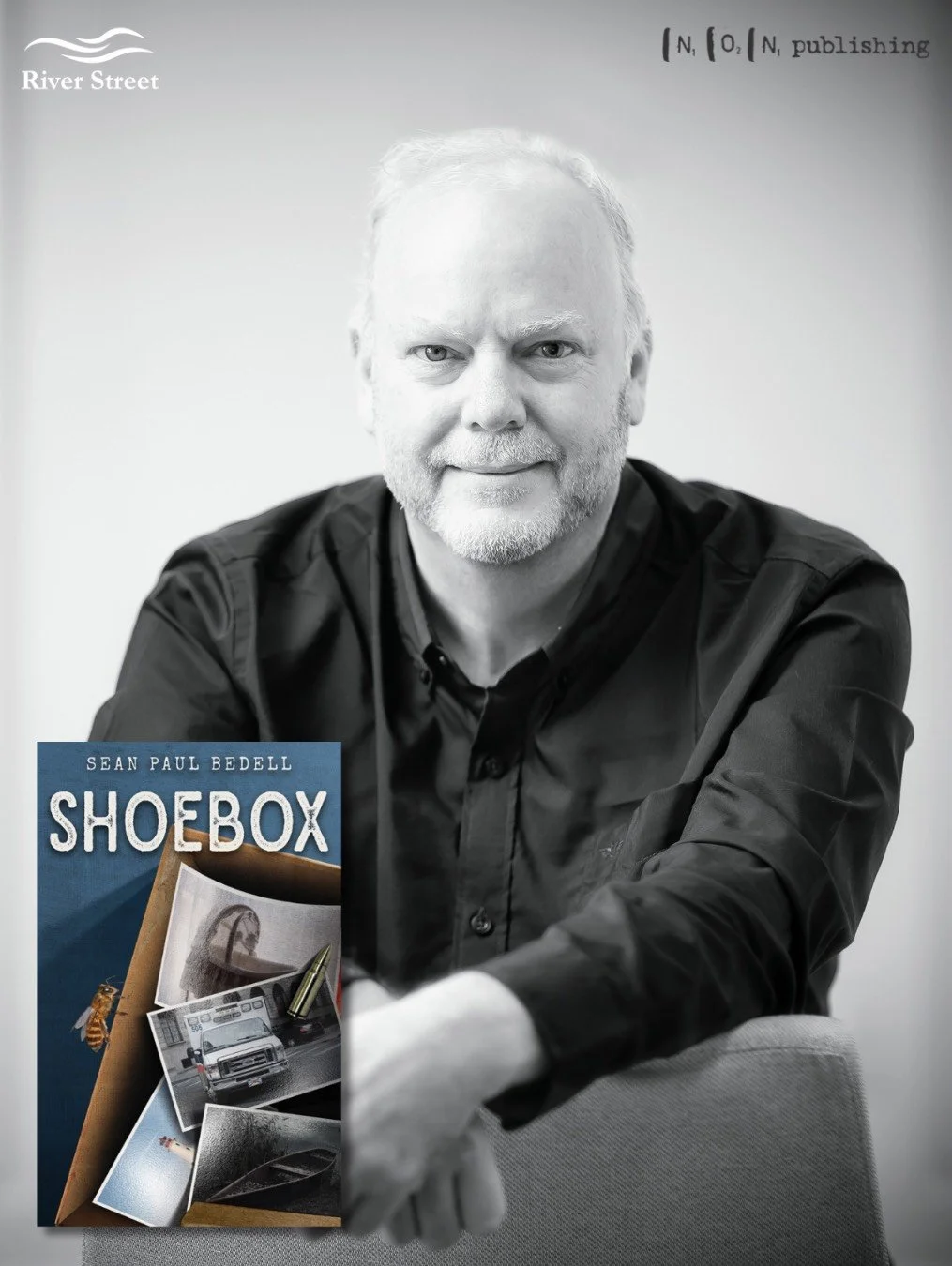
More about Shoebox:
In this gritty and emotional exploration of the human condition, Steve Lewis, a dedicated paramedic, faces the devastating aftermath of a fatal accident that casts a dark shadow over his once-passionate commitment to saving lives. Plagued by guilt and grief, he finds his career, family, and very existence hanging in the balance as he navigates the complexities of trauma both personal and professional. As Steve grapples with the high stakes of his job amidst the scrutiny of a community that admires yet questions him, each life he saves rekindles his passion for his work, reminding him of the profound connections he can forge through compassion and care. A compelling and visceral journey of personal redemption and triumph over adversity, Shoebox explores the human spirit's capacity for healing.
About Sean Paul Beddell:
Author of the novel Somewhere There’s Music, Sean Paul Bedell has been writing and publishing for more than 30 years. A longtime paramedic and captain with the fire service, he lives with his wife Lisa in Dartmouth, Nova Scotia.